Last Saturday we enjoyed ideal weather for the
sestercentennial of the
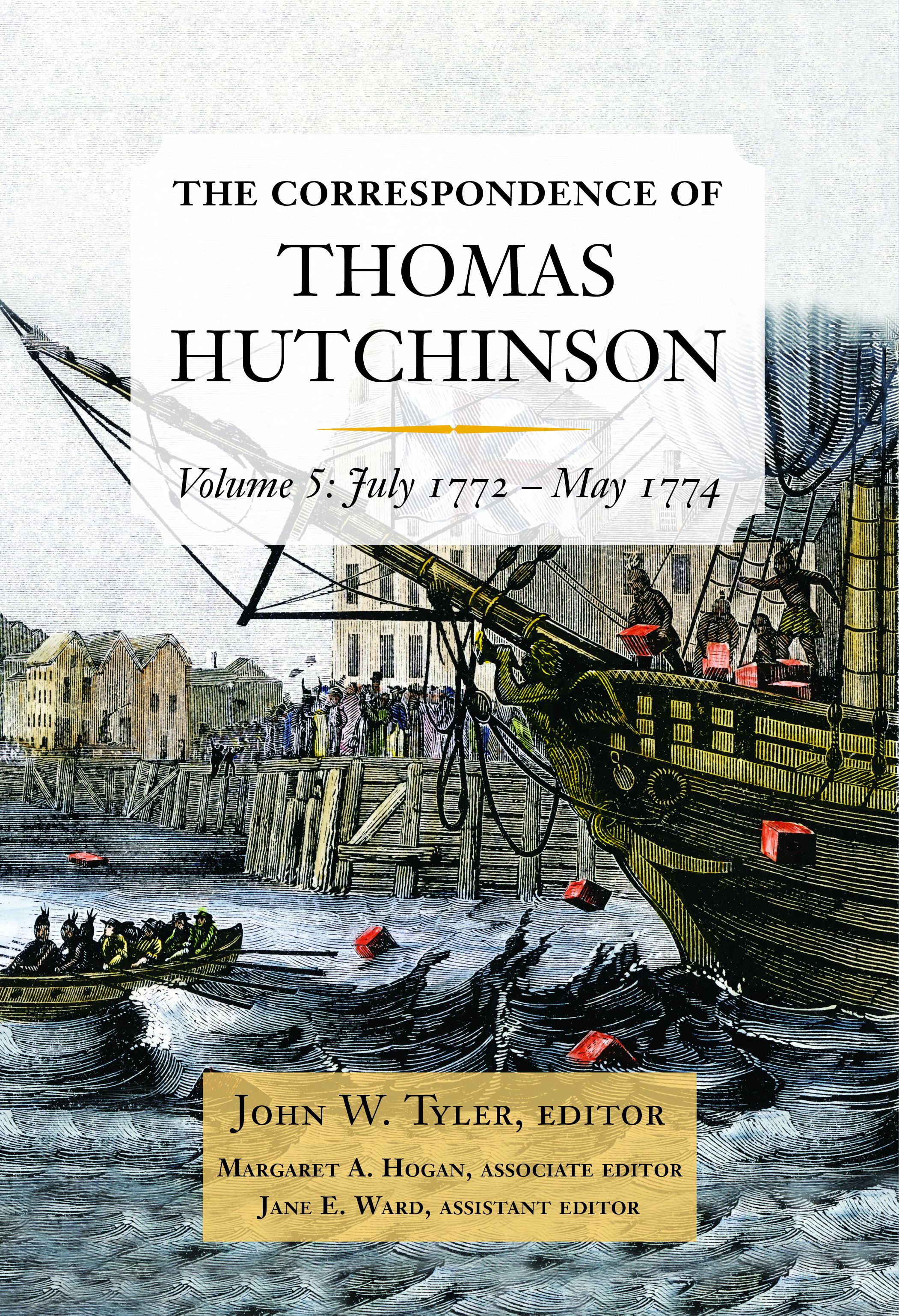
Boston Tea Party: cool enough to remind us it was December, but not bitter, rainy, or windy.
Two days later, a storm blew through eastern Massachusetts, with downpours, high winds, and many power outages.
So we were lucky.
That happy concatenation made me think about a point James R. Fichter has been making in
his book Tea and his talks about it: just a couple of days’ change in how the
tea ships crossed the Atlantic Ocean could have produced a very different outcome.
As soon as Bostonians raided one tea ship, Fichter argues persuasively, the royal authorities would have taken steps to guard the others, most likely by bringing them under the protection of the
Royal Navy.
Why didn’t Gov.
Thomas Hutchinson and Adm.
John Montagu do that already? Because they adhered to the British
legal system, in which the military didn’t act without civilian government requests, and the civilian government didn’t call on the military until a
crime was actually under way or had taken place.
Imagine, Fichter asks, if the
Dartmouth had arrived within the bounds of Boston harbor a couple of days earlier. In that case, its
Customs-regulations deadline for unloading would have fallen on 14 December, when the
Beaver was still in
smallpox quarantine off Rainsford Island and thus not within reach of the populace.
Or if the
Beaver had arrived two days later than it did, it would still have been in quarantine on the night of 16 December, when the
Dartmouth’s time was up.
Either way, the men of the Tea Party could have emptied the
Dartmouth and
Eleanor as they did, but the navy would probably have escorted the
Beaver to
Castle Island, where its tea could have been stored in the fort. That was where almost all the tea from the
William, wrecked on
Cape Cod, would end up shortly afterward.
As it was, the
Beaver was moved to Griffin’s Wharf late on 14 December, giving the town’s radical activists a day to complete their planning before the authorities made their final refusal to let the
Dartmouth sail back.
Would the destruction of
two cargoes of tea instead of three, more than
£6,000 worth of property instead of £9,000, have changed the response from the royal government? It’s impossible to say, but the complete destruction of
all the tea in the harbor at once certainly looked like a bigger triumph for the Bostonians and a bigger crime to London.
Or another possibility: What if the ship carrying tea to Charleston, the
London, was delayed long enough that its Customs-reglations deadline fell after news of Boston’s destruction of the tea had arrived in the city? Would the Charleston radicals have felt emboldened to destroy that tea instead of letting it be landed and stored? Would the Charleston government officials have felt safe with the same arrangement?
And if more than one American port had destroyed expensive shipments of the
East India Company’s tea, would
Lord North and his colleagues have thought that
Coercive Acts aimed at one colony would work?
We have no way of knowing, but we do know the men destroying the tea on 16 Dec 1773 had ideal weather for their work.










%2C_Nova_Scotia.png/250px-James_Moody_(1744-1809)%2C_Nova_Scotia.png)





.jpg)