“The officer (Crean Brush) who took my goods”

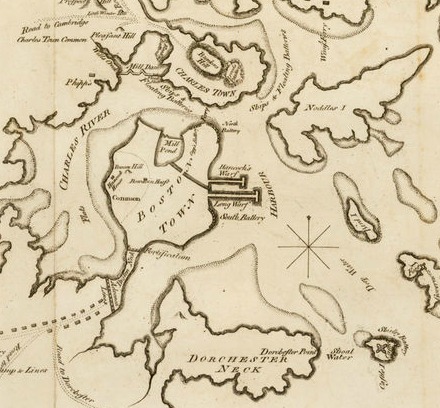
By that point, most of the wealthy people inside besieged Boston were Loyalists, and they planned to leave with the British military. But many adherents to the Patriot cause had left their goods in the town months before. And a few men had stayed to look after their property, their family, or their constituents.
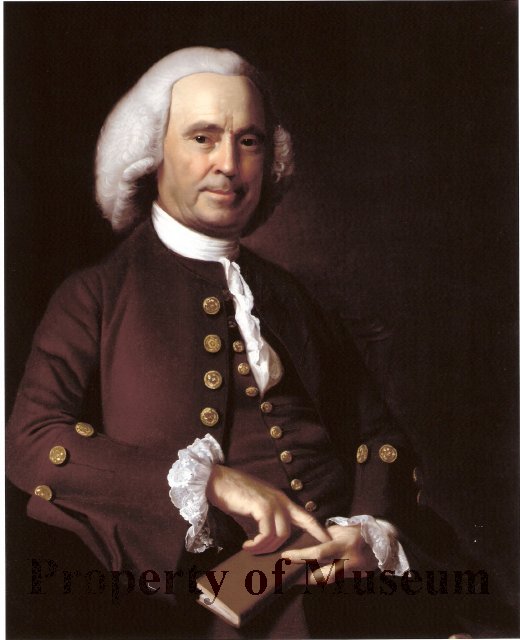
Selectman Samuel Austin was in the last category. Nine years later he told John Adams, who had once employed his son as a law clerk and was now the U.S. of A.’s minister to Great Britain, what he remembered about those days:
I apprehend it needless to Say anything about the Rude, and insulting behavior of the officer (Crean Brush) who took my goods, all which I was oblidg’d to Submit to.—Austin’s point in 1785 was that the British government still owed him for the value of his confiscated goods. London merchants were pushing him to repay his debts from before the war, so he wanted that money—or he wanted to be able to tell those creditors that they should go after their own government for repayment instead of him.
Suffice it to say that on the 11th. March 1776 Crean Brush, an officer appointed by Genl. How, and by his written Orders…did by force and Arms, with near Twenty Soldiers, with their Guns and Bayonets enter my House and took from me in goods & Merchandize to the amount of Two Thousand Four hundred and Thirty Pounds 18/7 Neat Sterling Cost, to which I have aded Fifty per ct. Advance, which would not pay the Insurance & Freight, as also Interest on the same, untill paid. . .
I had an Opportunity of Conversing with [Gen. Howe] on the Subject of taking my goods from me in the manner he did, He Expressd himself with great Surprize and Indignation, that I should even think he mean’t to Alienate the Property of my goods, by no means he said, he mean’t no such thing, on the Contrary, he assured me in the most Sollemn manner my goods should all be Returnd me again, or the Cash paid for them. He aded it was a Common thing for an Army when Retreating and another army Pursuing, for the Retreating Army to take from the inhabitants, every thing that might any ways be servicable to the Pursuers, but that as soon as the Confusion was over, the inhabitants had their goods Return’d or the money paid them, to the amount of what was taken away, and this he Asur’d me should be the case with mine.—
He said further that what he had done was in Conformity to orders Rec’d from the Minster, to Prevent the Rebels as he calld them from being benifitted by them. Accordinly in a letter he writes Lord Dartmouth (which I have seen) given him an Accot. of Evacuating the Town, he has these words, “all the Woolen good also, that I could find Room for belonging to those who chose to stay behind, the want of which is more distress to the Enemy than any other Article whatever, has been shipd, Inventories of them taken in the best manner Possible, and Put under the Charge of proper persons, in order hereafter to be stor’d.”
Agreeable to this, is his Orders to Crean Brush when he took the goods (Coppy of which you’ll have withe Papers sent you from Congress) in which are these words, “You are hereby Authorizd, and Requir’d to take into your Possession, all such goods as Answer this discription, to give Certificates to the owners that you have Reciev’d them for their use, and will deliver them to the owners orders, Unavoidable Accidents Excepted.”
Both the above Extracts, Plainly Evince, that it was never the intention, or design either of Genl. How or the Minister, that such goods so taken, should be look’d upon as forfited goods, on the Contrary, they were to be inventoried and Stored, and taken Proper care of, for the bennefit of the owners, and to be deliverd to their Orders, all which is Exactly agreeable to Genl Hows declaration to me, that they or the money should be Return’d.
TOMORROW: More complaints about Crean Brush.



%2C_by_James_Northcote.jpg/250px-Admiral_Samuel_Graves_(1713-1787)%2C_by_James_Northcote.jpg)


.jpg)