“I cannot describe the Astonishment, Greif & vexation I felt”
Warren addressed that letter to John Adams, and probably expected him to share it with his cousin Samuel Adams. At first Cushing assumed it was meant for the colony’s whole delegation.
But Warren had dropped caustic comments about Cushing (“A certain Collegue of yours has lost or I am mistaken A great part of the Interest he Undeservedly had”) and another delegate, Robert Treat Paine (“Paine I hear is gone to Gratify his Curiosity in Canada. . . . He may possibly do as much good there as at Philadelphia…”).
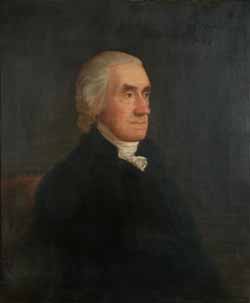
Paine had just returned from Fort Ticonderoga when Cushing presented him with a copy of Warren’s letter, or at least those lines about the two of them.
There was other news to upset Paine: The Massachusetts General Court was ready to make John Adams the new chief justice of Massachusetts. Paine himself, older and with more years as a barrister, was way down the list of justices.
And now Warren, Adams’s friend and ally, was suggesting the long trip to he’d just returned from was a junket rather than a mission for the Congress.
Paine spent New Year’s Day complaining about Warren’s remarks to Massachusetts legislators Joseph Hawley and Joseph Palmer: “a malicious and Slanderous Correspondence between James Warren & John Adams respecting Mr. Cushing & my self.”
Then Paine drafted a response to Warren, telling him exactly how he felt about that letter:
I cannot describe the Astonishment, Greif & vexation I felt when I read it—if possible explain to me wherein I deserve such Treatment from you—in the close acquaintance of 15 yrs. & more did yo. ever find me unfaithful. Was I not watchfully observant of yr. Interest Reputation & happiness. Has any person been more attentive to the Interest & Welfare of the Family with wch. you are Connected your dulce Domus & presidium [sweet home and protection] & that at a time when my Interest & promotion would have been much promoted advanced by Contrary Conduct.And that’s just a sample of what Paine had to say.
I mention not these matters to upbraid, but to give you an Idea of the Reasons Reflections with wch. yr. Conduct agitate my mind; I know not what principle to derive yr. Treatment of me from, unless it be that to the opposing of which in Other Persons you owe all yr. Glory, could you not have “perticular freinds” witht. Calumniating ridiculing & degrading your other Freinds.
When Warren later copied the letter he received, he dated it 5 January. That suggests that Paine wrote his draft on the first, stewed for four more days, and finally mailed it.
TOMORROW: Reactions from Massachusetts.