






Examining the President’s Pardon Power
The Constitution says that the president “shall have Power to grant Reprieves and Pardons for Offences against the United States, except in Cases of Impeachment.” This language is unlike many other powers granted in the Constitution. The language is fairly absolute and the pardon power is one of the president’s most unlimited. The courts have largely rejected attempts to limit this power. And yet, the time has come to address this constitutional blind spot.Chervinsky’s essay noted the roots of the pardon power in traditional monarchy, and how “We are the only democracy with such unfettered pardon power.”
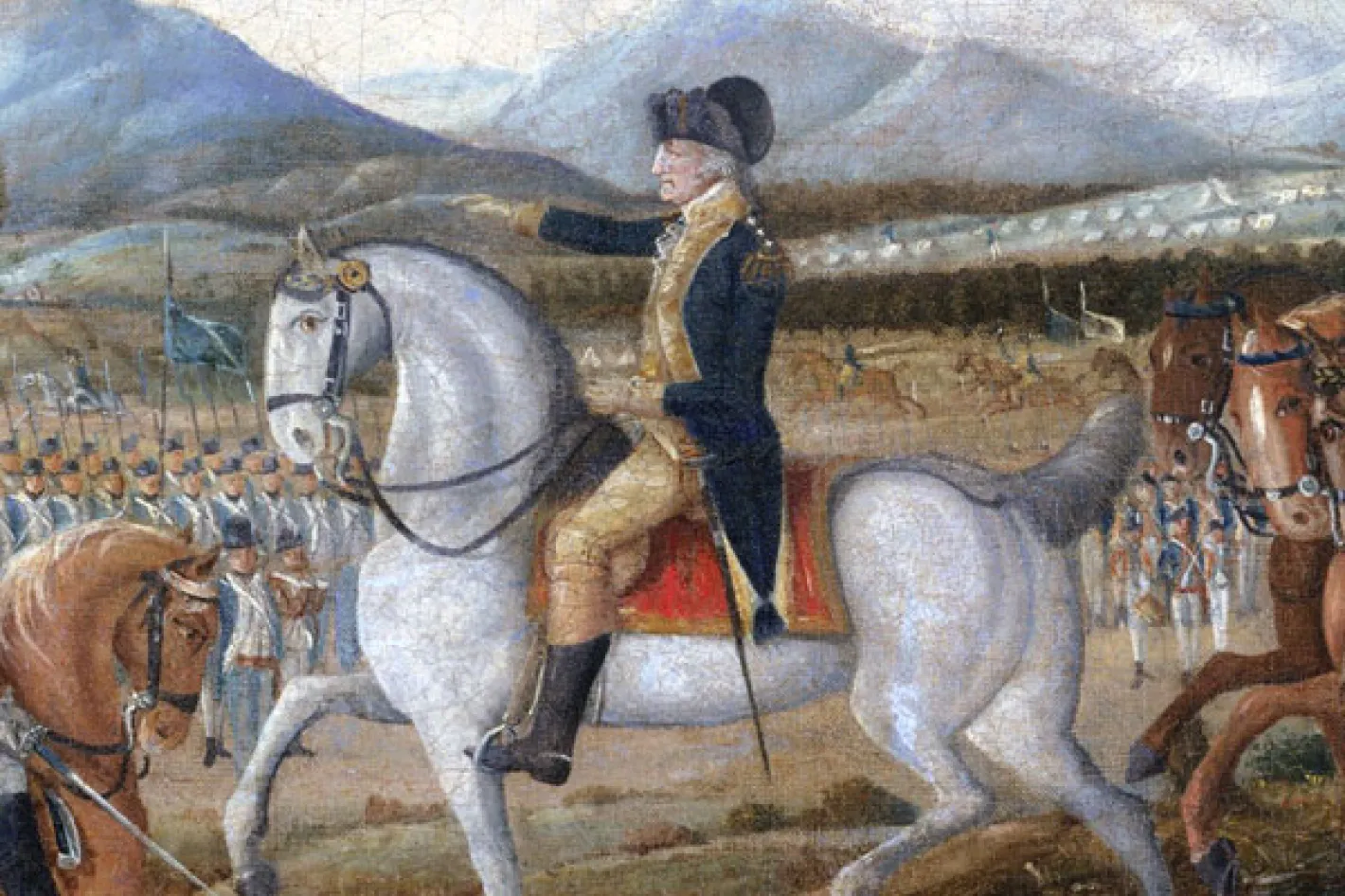
She offered the example of how President George Washington deployed this power.
Washington’s pardons of [David] Blair and the whiskey rebels suggest that there were four factors that he considered when contemplating clemency.There are many proposals on the table to limit the pardon power, or at least to ensure its use doesn’t depend on one person’s whims. Those reforms range from a constitutional amendment to various laws defining procedures (laws that a Supreme Court might decide violate the Constitution) to a requirement for simple transparency from the executive branch.
First, he considered whether the petitioners had lived a reputable life prior to the conviction. Was this case a one-off or were they problematic citizens? Most of the people Washington pardoned, including Blair, were veterans of the Revolutionary War.
Second, Washington considered whether the conviction would prevent the petitioner from making a living or providing for their family.
Third, Washington required the petitioners to take responsibility for their actions.
Fourth, Washington expected the petition[er]s to swear loyalty to the Constitution if the charges called into question their patriotism.
I should specify that Washington never wrote a single letter outlining these four factors (history would be much easier if he did write down his thoughts in such articulate fashion). Instead, we can see what mattered to him through a series of letters and questions about the potential pardons.

No comments:
Post a Comment