






The J.A.R.’s Books of the Year
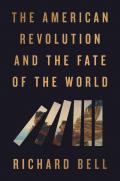
The winner is The American Revolution and the Fate of the World by Richard Bell (no relation, for the record).
The citation says:
The American Revolution undoubtedly changed world history. Many nations seeking their own independence tried to emulate the ideals of the Declaration of Independence, a document whose words still influence national and world events. What many people do not realize was that, at the time, the Revolution directly affected places all over the world. It was truly a global happening, reaching not only Europe, but also Latin America, India, China, and even Australia.This is a book of synthesis, bringing together recent scholarship by many people to provide a global look at.

Gentile demonstrates how, even before a single shot was fired, the Revolution lived in the minds of this town’s residents as they harshly reacted to thirty-three signers of a letter of support to the departing governor Thomas Hutchinson. What follows is an interesting look at dynamics in this town—heavily influenced by Puritan theology—and the ways in which residents exerted social pressure to essentially coerce the signers back to the Patriot cause, placing ultimate importance on maintaining unity. Signers (“Addressers,” as they were called) ended up recanting through written and published statements, showcasing the growing importance of print culture during this period and the role that it played in creating a uniform identity going into the conflict. Gentile traces the fate of each of the thirty-three as they recanted and either rejoined the Patriot cause or, in the case of several, led lives in exile.The other runner-up, The Course of Human Events by Steven Sarson, is a study of the intellectual roots and immediate impetuses behind the Declararion of Independence.

No comments:
Post a Comment