


The Young Gentleman in the Gallery

But not in the first edition of that biography, published by the subject’s son Josiah Quincy (1772-1864) in 1825. That book had little to say about the destruction of the tea, which had not yet gained fame and respect as the “Boston Tea Party.”
Instead, the anecdote first came into print in the second edition, edited by the subject’s granddaughter Eliza Susan Quincy (1798-1884) for publication almost fifty years later. (Actually, this Massachusetts Historical Society webpage says she had prepared the first edition as well, though it was published under her father’s name.)
The 1874 book says:
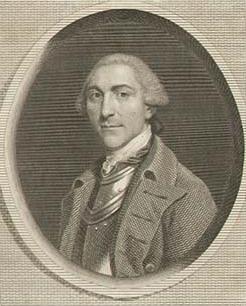
During the interval, speeches were made by Samuel Adams and others. Josiah Quincy, Junior, standing in the east gallery of the Old South meeting-house, spoke in a tone of bold and animated invective against the measures of the British government.The remarks about “my constitution” alluded to the tuberculosis Quincy was suffering from, but also brought up thoughts of the British constitution. Was it also doomed to dissolution?
Harrison Gray [royal treasurer of Massachusetts], standing on the floor, in reply warned the young gentleman in the gallery against the consequences of the intemperate language in which he indulged, saying that such language would be no longer borne by administration; that measures were in train which would bring the authors of such invectives to the punishment they deserved.
Mr. Quincy replied, “If the old gentleman on the floor intends, by his warning to ‘the young gentleman in the gallery,’ to utter only a friendly voice in the spirit of paternal advice, I thank him. If his object be to terrify and intimidate, I despise him. Personally, perhaps, I have less concern than any one present in the crisis which is approaching. The seeds of dissolution are thickly planted in my constitution. They must soon ripen. I feel how short is the day that is allotted to me.”
Two days ago, I quoted a report of that meeting written by a Crown informant inside Old South. It didn’t describe Quincy speaking “against the measures of the British government,” even though the informant’s job was to pay attention to such remarks. It didn’t mention Harrison Gray, a royal appointee by then firmly on the side of the Crown, at all.
That report did say Quincy was heckled, but it described the voice coming down from the gallery, not directed up to it. And that voice insinuated that Quincy had taken money to support the Rotch family, not that he was using “intemperate language.”
So was that exchange between Quincy and a suspicious radical transmuted by memory into this back-and-forth between Quincy and a leading Loyalist?
TOMORROW: Quincy looks at clouds from both sides.